No Friend but the Mountains
ھیچ دۆستێک جگە لە چیاکان
Melisa Diktaş & Marit-Shirin Carolasdotter
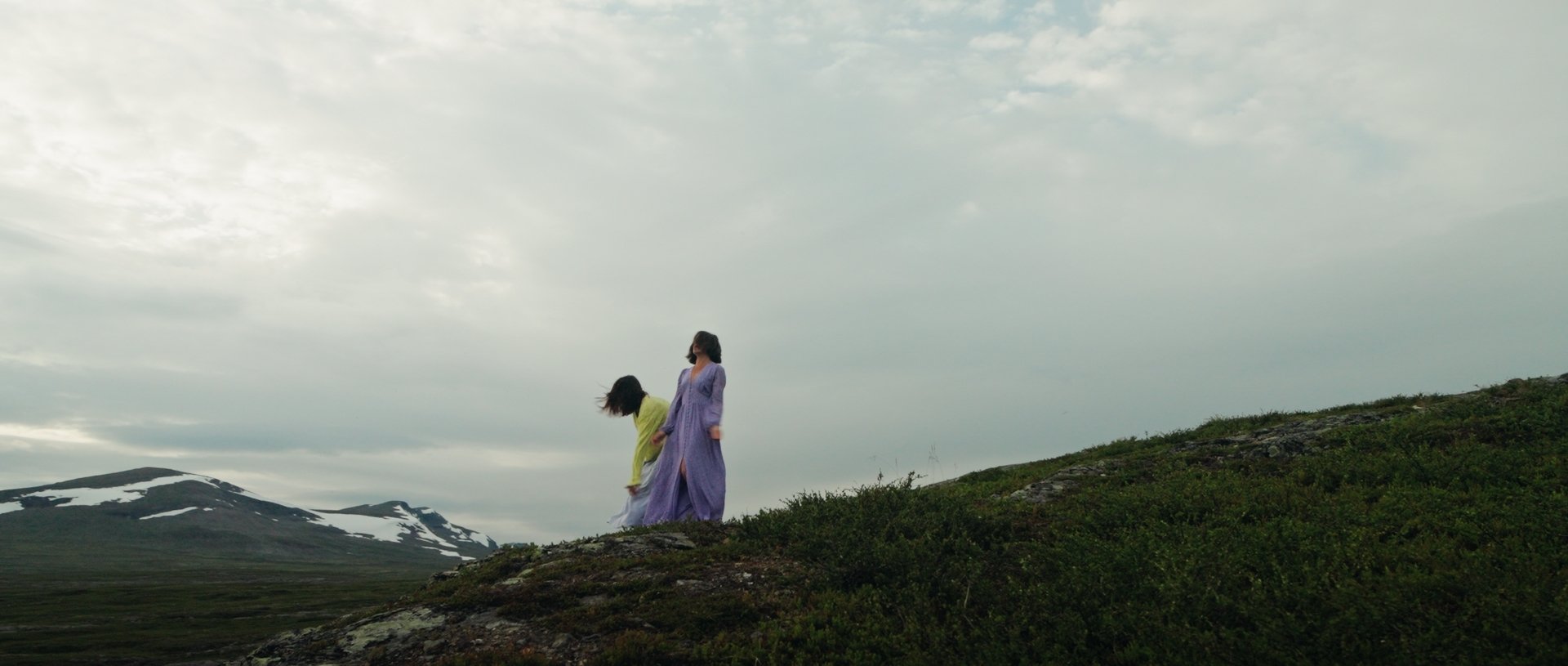
Photo by Kenneth Ly
If we were free - what would we want our world to look like? No Friend but the Mountains is a Kurdish expression expressing humans’ flight toward refuge from war and injustice. Using a choreographic compass, ‘No Friend but the Mountains’ intermittently juxtaposes our combative present, our dimly perceived prehistoric past, and our journey toward a more humane future. The performers intersects ancient knowledge and decolonial ritual, inviting the audience to envision a future where people are finally free to reacquaint with the earth.
In an encounter between music and text by Luna Ersahin, dancers Melisa Diktaş and Marit-Shirin Carolasdotter, these multiple temporal perspectives of the mountains are danced in a powerful interplay spanning past, present and future. Throughout the film, Marit-Shirin is paying homage to her father, linking a family line of freedom fighters by establishing modes of resistance by dancing. As such, the urgency of 'No Friend but the Mountains' molds dancing into a unifying force: between human relationships, between performers and the observers.
The project is divided into 4 Chapters and consists of artistic research, relational and performative practices in cultural exchange between Sápmi and Kurdistan.
Chapter 1: Jîn, Jîyan, Azadi
The idea behind the creative process started with a reflection upon activism and the fight for human rights, if we were to be free - what would we like the world to be, look like? Together with artist Anahita Babaei, we researched the Kurdish liberation movement, Jîn Jîyan, Azadi, and what we really mean by freedom for women under oppression. What are we fighting for?
The project took its first steps by organising a workshop week/research in Brussels 2022 at Garage29 and later in Stockholm to investigate these questions, gathering Indigenous women and non-binary dancers from Kurdistan, South America and Sápmi to weave, sing and perform together. The residency at SITE Stockholm resulted in a showcase at Dansens Hus Stockholm for the programme ‘Movers Signum’ 2022.
Audio: Artistic conversation during residency at SITE Stockholm 2022. Participants: Anahita Babaei, Marit-Shirin Carolasdotter, Ebba Ulfhjelm Boström, Melisa Diktaş, Paz Moreno, Zorybel Garcia, Laleshka Salas.
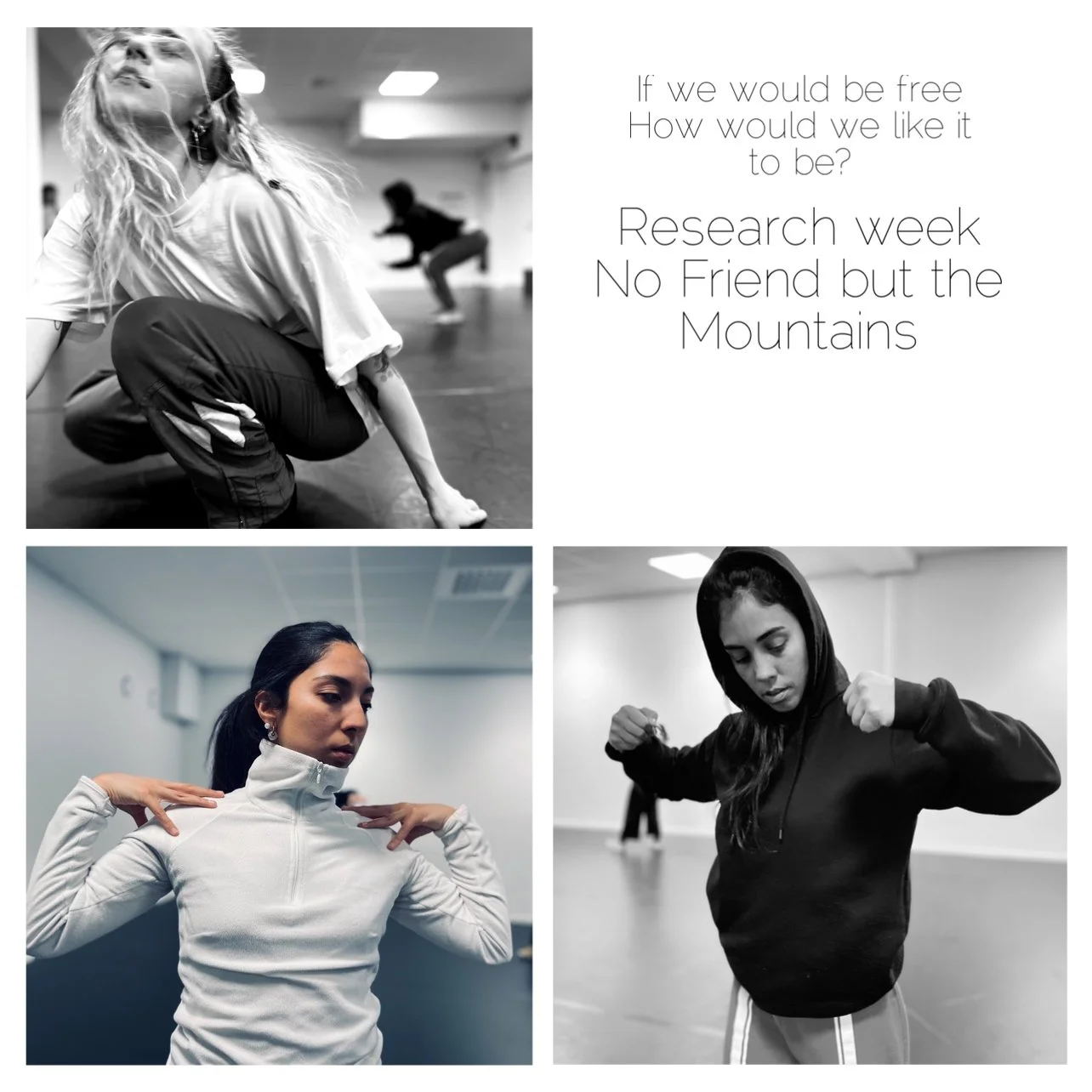
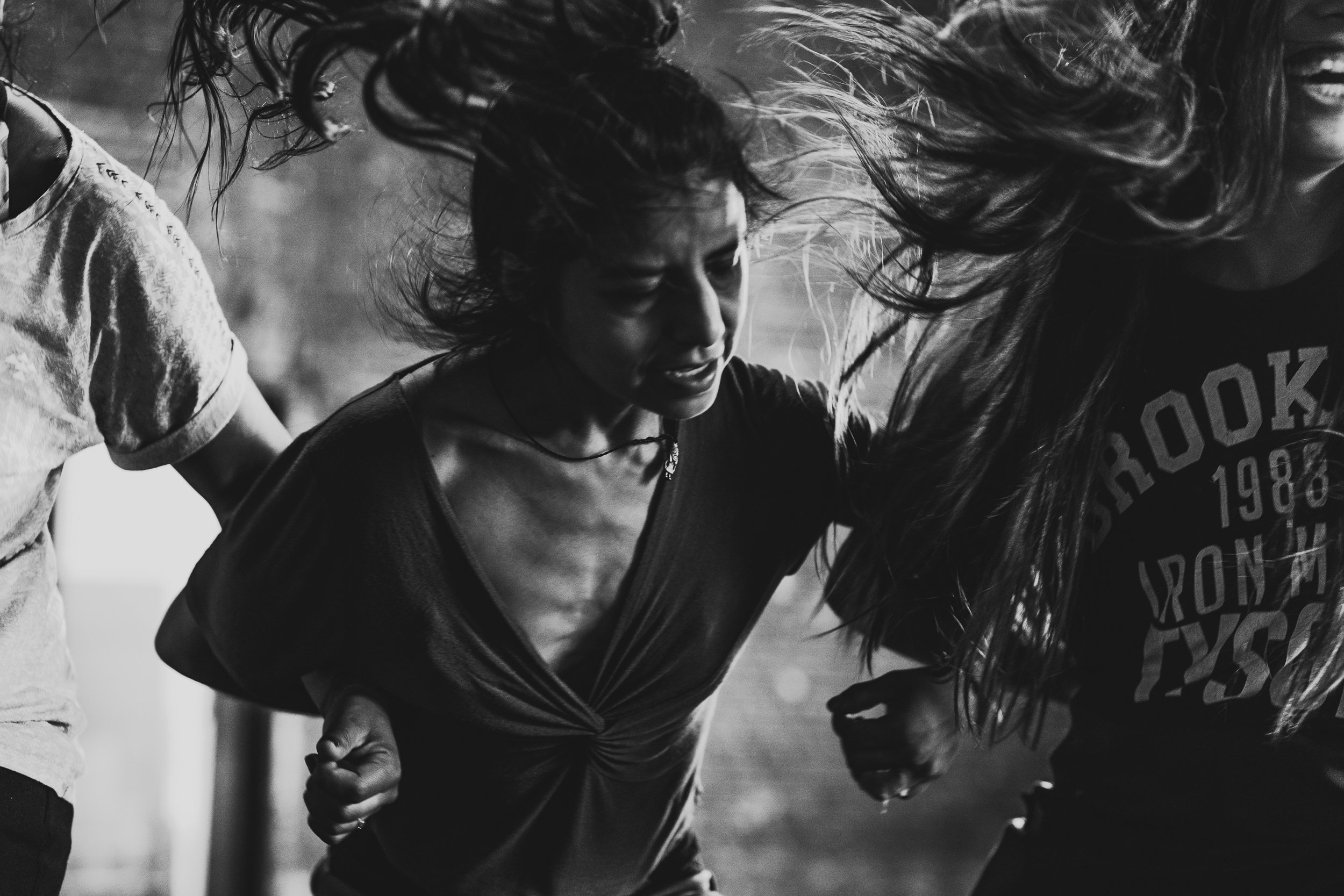
Image by Arnaud BeleenChapter 2:
Dancing with Gurhketjåhke Mountain
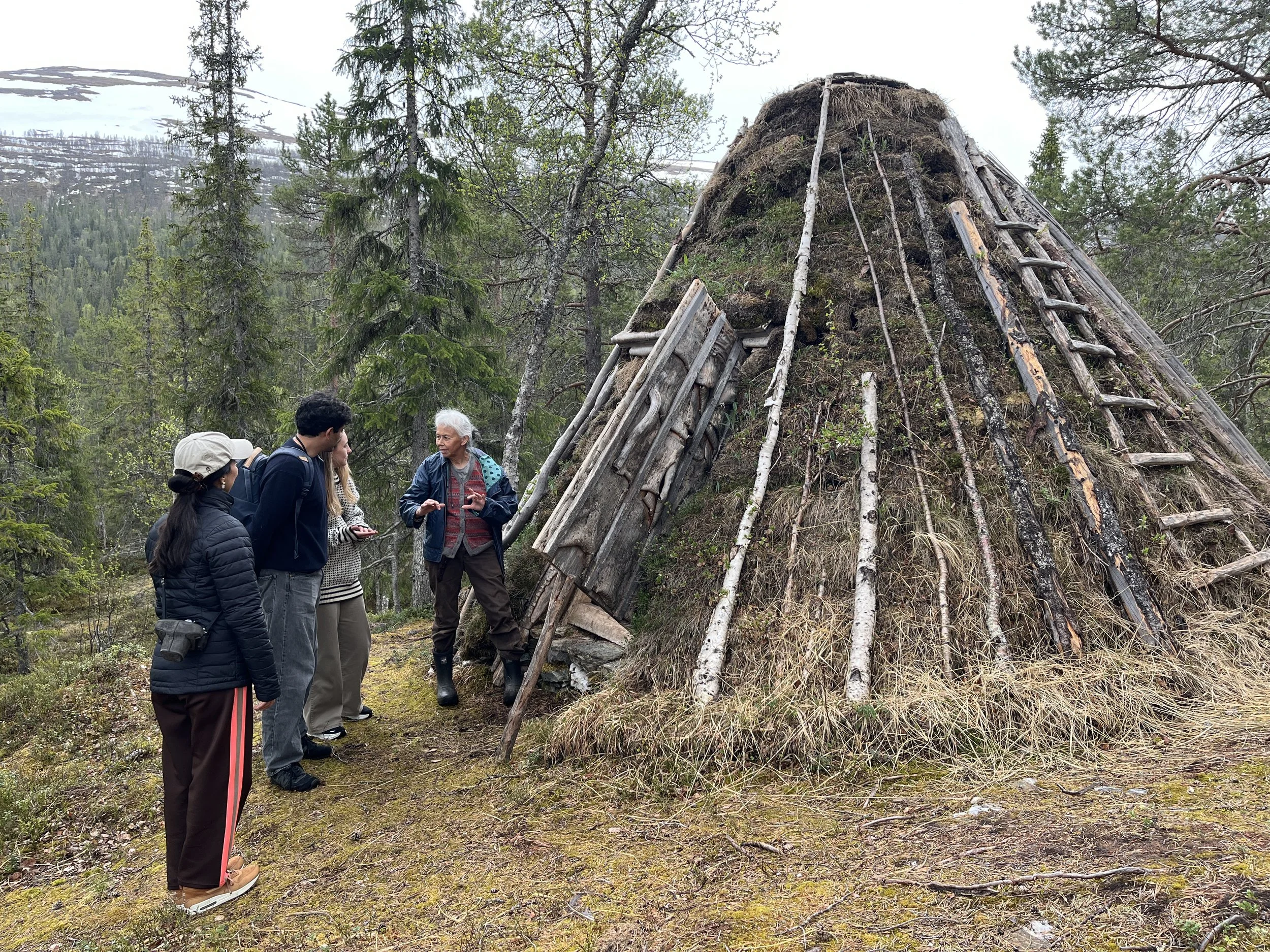
In 2023, dancers Melisa Diktaş and Marit-Shirin Carolasdotter met at Dotra Art Centre in Umeå to explore Kurdish Govend dances and its physical relation and history to the mountains. Together with Musician Luna Ersahin and conversations with Mohawk/Iroquis artist Anthony Rice Perttunen, the dancers explored voice, movement and singing practices from their Kurdish ancestry. They shared their practices to local artists in Umeå through workshops and informal showings.
As a result of the residency, they travelled to Dearna, Sápmi and the Mountain Gurhketjåhke with filmmaker Kenneth Ly and Lucile Bensimon to make a short film No Friend but the Mountains.
Singing Xeriba Beyani with Melisa and Marit-Shirin outside Dotra Art Centre in Umeå.
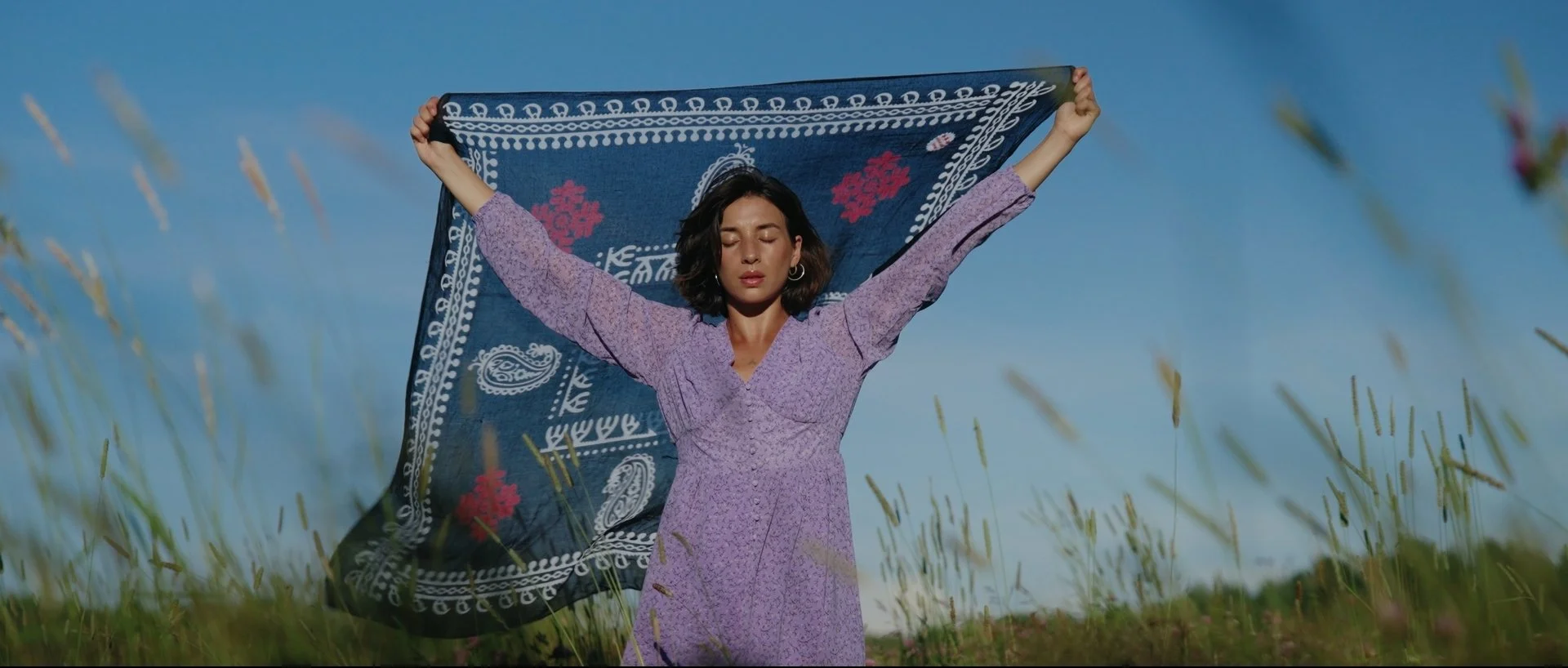
Image by Kenneth LyShort film
[2023]
Filming and editing by Kenneth Ly
Location: Gurhketjåhke, Västerbotten
Dancers: Marit-Shirin Carolasdotter & Melisa Diktaş.
Music and text: Luna Ersahin/AySay
Production Assistant: Lucile Bensimon
Official selection: CinéCorps in Rennes 2025, Botkyrka Konsthall 2025, Dansfilmfestivalen, Gothenburg 2024, Scenkonstbiennalen 2025, Låvda Sámi Screendance Festival 2025 and Moving North Screening, Tannsin aika Festival 2026.
Chapter 3:
Kárášjohka & Jergul
The project was granted a residency with Davvi - Senter før Scenekunst in 2024, where Kurdish and Sámi artists gathered to explore commonalities in Kurdish music and Sámi jojk. The residency resulted in a cultural exchange in Karasjok and Jergul, as well as a visit to the National Sámi Theatre in Guovdageaidnu 2024. Featured artists; Melisa Diktaş, Marit-Shirin Carolasdotter, Luna Ersahin, Ingá Márjá Sarre.
After the exchange, the project had a residency in
Ubmeje/Umeå at Dotra Art Centre together with Anthony Rice Perttunen, Ingá Márjá Sarre, Marit-Shirin Carolasdotter, Stella Blanc and Hector Palacios.
These encounters led to a new team forming a performance under the name Rrîtm in 2025.
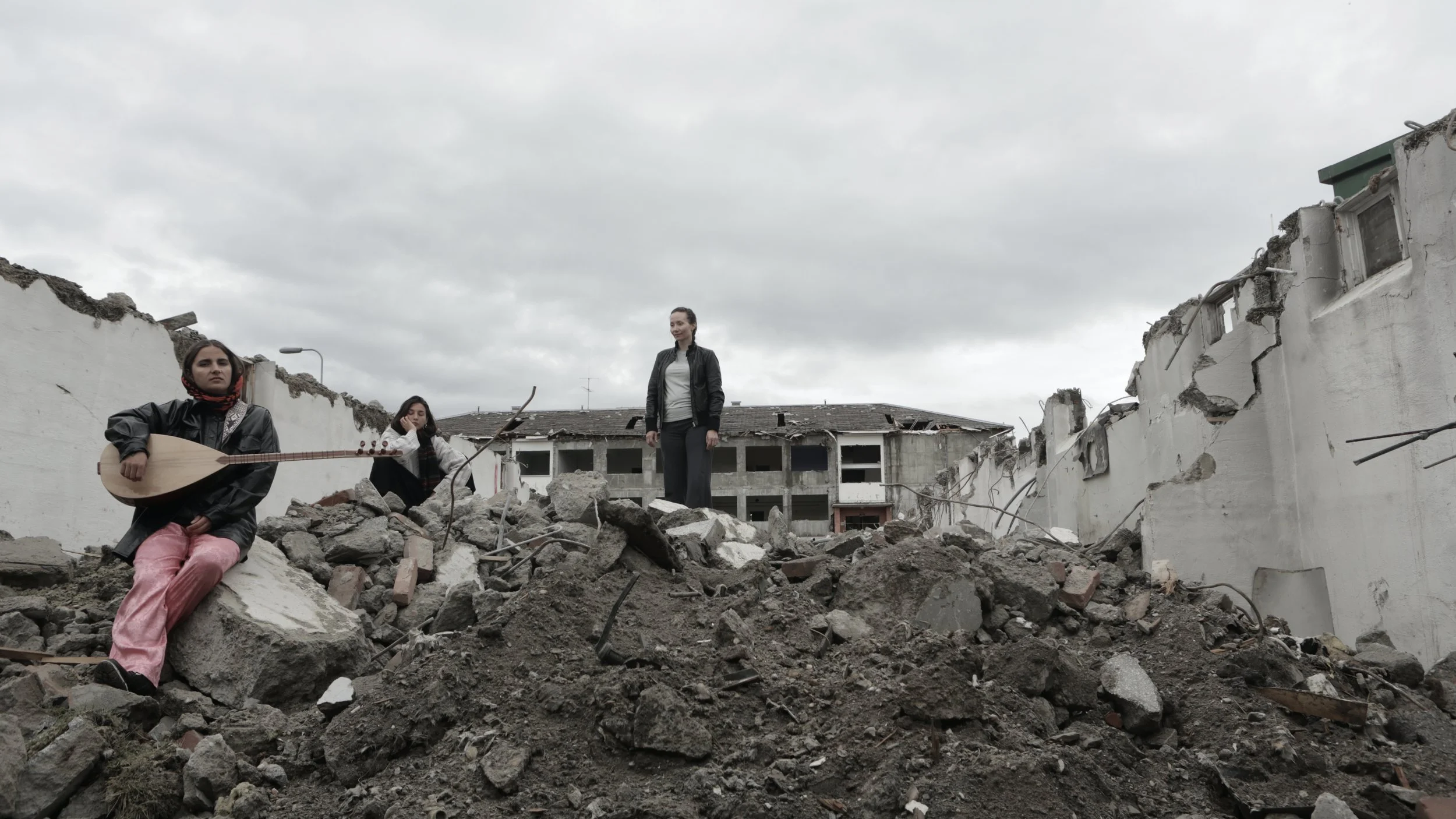
Image by Mathis Gaup
Image by Hector Palacios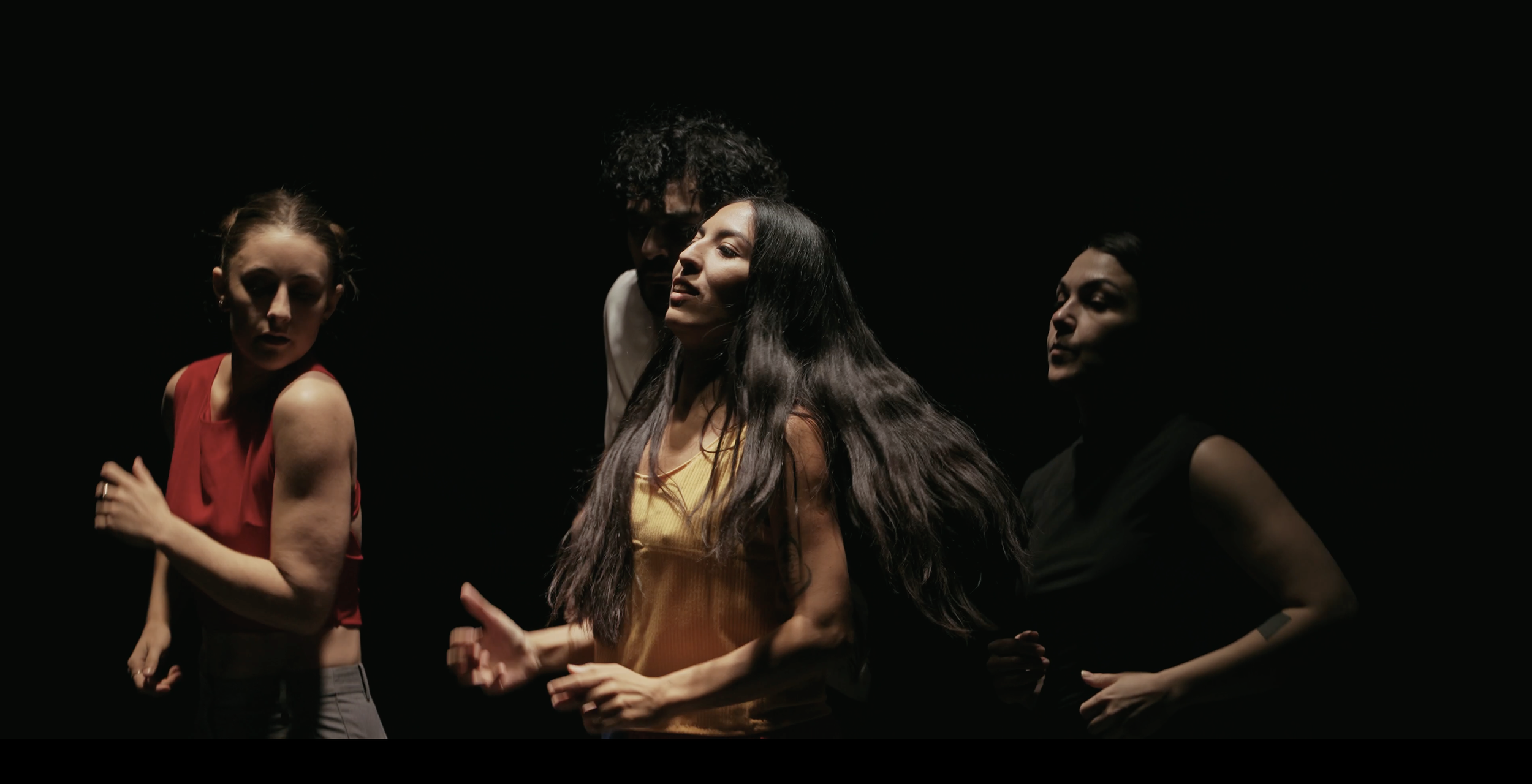
Chapter 4: Rrîtm
In 2025, the project entered a new phase under the name Rrîtm. The questions carried through No Friend but the Mountains shifted into a collective, rhythm-driven performance with dancers Marit-Shirin Carolasdotter, Stella Blanc, Hector Palacios, Paz Moreno and musician Hajar Zahawy.
Rooted in Kurdish rhythms and diasporic experiences, Rrîtm explored rhythm as a carrier of memory, resistance and relation. The work premiered at Scenkonstbiennalen in Staare/Östersund in June 2025 in collaboration with Scensverige and Gaaltije Saemien Museume.
In May 2026, the artists gathered again in Aarborte/Hattfjelldal and Dearna/Tärnaby for the final phase of the project, returning the work to Sápmi and developing it through landscape, local encounters and collective practice.

Rrîtm can be described as a raw, rhythm-driven performance shaped by memory and breath. Developed as place-specific, it invites audiences into a land-guided choreographic migration between repetition, rupture, and resonance. The place is a co-creator of the work, assembling itself as the audience is invited not just to watch, but to witness. It proposes that a body is both relational and agent. It listens. It pulses.
The performance moves through circling, scattering, reversing, and building. At times, the dancers whisper rhythm, hold a beat with their bodies, or fall into silence. At other times, they gather together, disperse, or drift into asynchronous motion. A bicycle might return. A mountain might be built. The score is both durable and fragile—holding space for stories, memory, and shared timing.
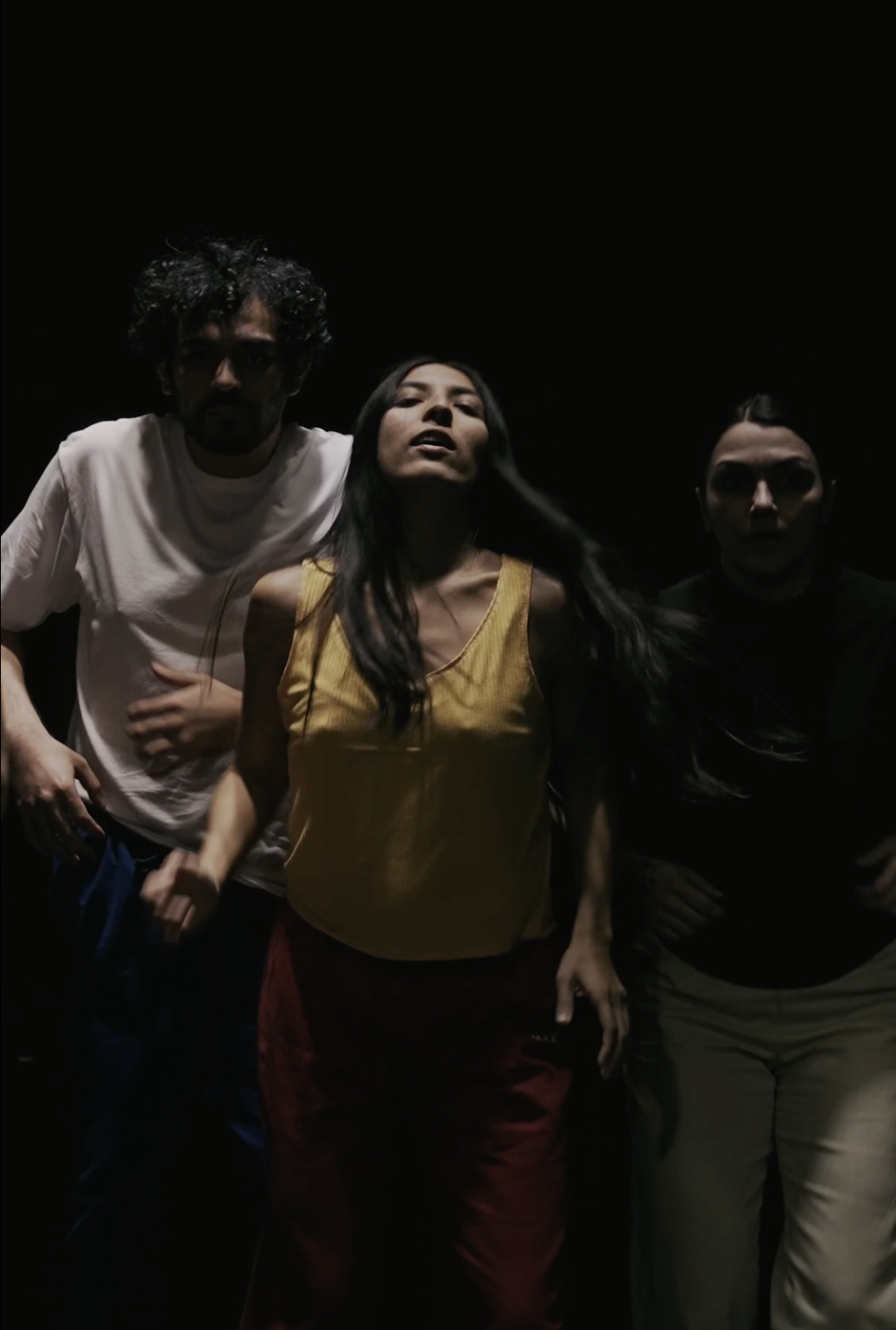
Trailer
Dear Witness,
This piece began in fragments—objects, stories, rhythms. As we worked, we kept returning to the body’s relationship to time, to memory, and to repetition. Rather than constructing a fixed narrative, I wanted to shape a space where dancers and audience could meet in rhythm, in listening.
I’m drawn to the tension between structure and disorder, between movement that gathers and movement that slips away. This is a work that holds what is unfinished. It is porous. The absence of histrionics is a choice—it lets the body speak louder.
I believe we don’t always need to tell everything. Sometimes rhythm says enough.
/Marit-Shirin
Supported by:
Norrlandsoperan, Beáivvaš - Sámi Našunálateáhter, Nordic Culture Point / Nordic Council of Ministers
Dansinitiativet, Konstnärsnämnden, Davvi - Senter for Scenekunst, The Barents Euro-Arctic Council, Dáiddafoanda, Dans i Västerbotten, Danscentrum Norr, Pohjanmaan Tanssin Aluekeskus